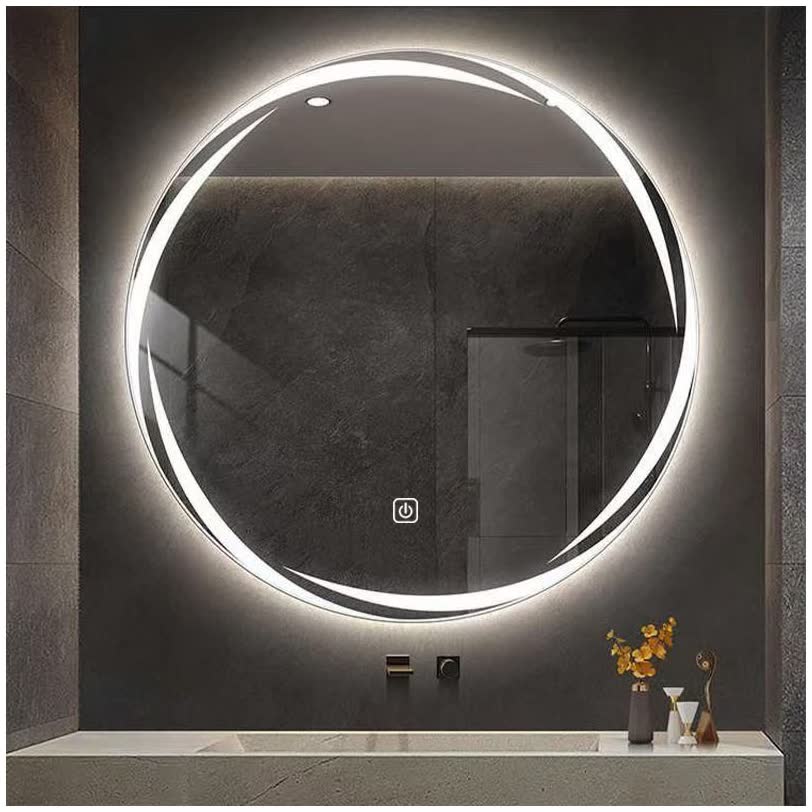
YIWU, ZHEJIANG, CHINA, October 26, 2026 /EINPresswire.com/ — Specifying commercial illuminated mirrors requires evaluating optoelectronic component integration, electrical safety certifications, and daily operating reliability in damp environments. Sourcing teams partnering with a China Top Smart Mirror Manufacturer compare LED luminous efficiency, defogging heating architectures, and capacitive switching systems. JIEPAI HOME engineers modular electronic mirror platforms designed for hospitality guestrooms, luxury residences, and retail distribution. Sourcing teams benefit from modular driver configurations, clear photometric performance standards, and pre-production sample testing that streamline commercial project approvals. Establishing robust electronic specifications ensures long-term operational safety and reduces ongoing hotel maintenance requirements.
Smart Mirror Manufacturer Comparison Starts with the Feature Bundle
Commercial smart mirror evaluation centers on three integrated optoelectronic sub-assemblies: high-efficiency LED illumination ribbons, surface demisting heating films, and capacitive touch switching controllers. Specified under UL 962 and IP44 wet-location standards, modular electronic mirrors combine Class 2 isolated power drivers with automatic 60-minute thermal shutoff circuits to maximize hospitality guest safety. Component selection directly dictates operating lifespan and electrical fire safety in wet commercial bathrooms. Commercial building inspectors review low-voltage driver isolation and grounding continuity before issuing occupancy permits. Selecting mirrors with certified Class 2 power circuits prevents electrical shock hazards in damp zone two bathroom installations.
JIEPAI HOME structures smart mirror manufacturing around modular optoelectronic sub-assemblies. Sourcing managers can independently configure LED luminous output, electric defogging heating pads, and touch control interfaces. This engineering flexibility allows buyers to specify cost-effective illuminated mirrors for high-density student apartments or configure premium tri-color dimmable mirrors for five-star hotel suites.
What Does the LED or Backlight Option Change?
Lighting architecture dictates task visibility, lumen efficiency, and facial illumination quality. Commercial designs typically incorporate either direct front-lit frosted task lighting or subtle ambient backlighting.
Front-lit configurations route illumination forward through continuous frosted acrylic diffusion channels, eliminating diode pixilation and harsh facial shadows during shaving or makeup application. Rear perimeter backlighting casts an indirect glow against the wall tiles, creating ambient mood lighting without direct glare. Automated sandblasting cabinets etch frosted light channels with uniform aluminum oxide grit, achieving consistent 85 percent surface light transmission. Internal white reflective film liners bounce scattered diode rays forward, increasing useful illuminance across the grooming plane by twenty percent.
The lighting assemblies utilize high-efficiency SMD2835 LEDs delivering a color rendering index exceeding 95 CRI and 1,200 lumens per meter with 3-step MacAdam ellipse consistency. Tunable white circuits allow users to adjust correlated color temperature smoothly from warm 2700K to neutral 4000K and daylight 6500K. Isolated Class 2 SELV constant-voltage transformers feature power factors above 0.95, eliminating high-frequency flicker and radio frequency interference. The LED driver incorporates active power factor correction circuitry with total harmonic distortion below fifteen percent. This electrical stability protects building wiring grids from harmonic noise when hundreds of illuminated mirrors operate simultaneously in large hotels.
How Do Anti-Fog and Demisting Configurations Differ in the Buying Decision?
Bathroom condensation occurs when warm water vapor encounters cooler ambient glass surfaces. Integrated defogging systems warm the glass slightly above the room dew point, preserving a clear central viewing zone after hot showers.
JIEPAI HOME applies advanced PTC self-limiting heating films laminated to the mirror back. Operating at fifteen to thirty watts, the heating pad automatically reduces current draw as surface temperatures reach 45 degrees Celsius. This self-regulating thermal behavior prevents localized overheating, protecting glass silvering layers and structural silicone adhesives from thermal fatigue. The conductive carbon paste matrix inside the PTC element exhibits an intrinsic positive temperature resistance curve. As ambient temperature rises, internal electrical resistance climbs sharply, capping maximum surface heat without external mechanical thermostats.
Class 2 constant-voltage power supplies step down mains electricity to 12V or 24V direct current, providing safe low-voltage operation behind the mirror faceplate. Integrated over-voltage and thermal shutdown protections prevent electrical fires if guestroom ventilation fails. Power driver enclosures must maintain internal operating temperatures below 65 degrees Celsius under continuous duty to preserve electrolytic capacitor lifespans beyond 50,000 operational hours.
What Should Buyers Compare in Touch and Switch Controls?
The control interface determines user ergonomics, circuit safety, and dimming performance:
Single Touch Sensor: Provides streamlined on and off switching for concurrent lighting and heating circuits.
Dual Touch Sensor: Operates lighting channels and defogging films independently, reducing unnecessary energy consumption.
Tri-Button Panel: Provides dedicated controls for step-less PWM dimming down to five percent, CCT color temperature tuning, and defogger activation.
Smart Add-Ons: Optional modules include digital 24-hour clocks, ambient temperature sensors, and hidden Bluetooth stereo sound transducers that resonate through the glass plate.
All capacitive touch sensors mount behind the solid glass surface, eliminating drilled penetration holes and creating an impenetrable moisture barrier. Internal electronics are sealed inside an IP54-rated flame-retardant ABS enclosure certified under CE-LVD and CE-EMC directives. Factory testing subjects every completed electrical chassis to 1,500-volt high-potential dielectric breakdown tests before packaging. All internal circuit boards receive conformal silicone moisture coatings that prevent tin whisker formation and electrochemical corrosion. Cable entry glands employ compression rubber grommets that seal high-voltage mains wiring against water droplets.
Frequently Asked Questions About Smart Mirror Feature Selection
Does Every Smart Mirror Need the Same Feature Bundle?
Commercial project requirements vary. Budget multi-family units often specify basic front-lit LEDs with hardwired wall switches. In contrast, boutique hotels and retail lines typically require integrated touch sensors, dimming, and independent demisting pads.
Which Sizes Are Available for the Round Smart Mirror?
Standard round smart mirror configurations are manufactured in 50 cm, 60 cm, 70 cm, and 80 cm diameter increments.
Is Demisting Available as a Standalone Decision Within the Feature Mix?
Yes. Demisting heating pads can be included or omitted based on buyer specifications, and can be wired to activate independently via a dedicated touch button.
Does JIEPAI HOME Support Customization for Smart Bathroom Mirrors?
Yes. Customization options include aluminum frame finishes, custom glass dimensions, sandblasted corporate logos, and regional electrical wiring certifications.
What Should a Smart-Mirror Sample Request Include?
Sample requests should specify mirror dimensions, geometric shape, lighting color temperature, touch switch quantity, defogger inclusion, and target voltage requirements.
Turn the Feature Comparison into a JIEPAI HOME Model Request
Comparing optoelectronic specifications, heating safety controls, and driver certifications prevents electrical non-compliance during commercial building fit-outs. Defining component performance early ensures durable operation across large-scale illuminated mirror installations. Verifying driver mean-time-between-failures and optical photometric data ensures that smart mirrors deliver dependable illumination throughout multi-year commercial leasing cycles.
Commercial electrical specifiers and smart home distributors can transmit voltage and feature criteria through the JIEPAI HOME storefront to access photometric IES files, wiring diagrams, and sample evaluation units.
JIEPAI HOME
JIEPAI HOME
Legal Disclaimer:
EIN Presswire provides this news content “as is” without warranty of any kind. We do not accept any responsibility or liability
for the accuracy, content, images, videos, licenses, completeness, legality, or reliability of the information contained in this
article. If you have any complaints or copyright issues related to this article, kindly contact the author above.

Media gallery