SLIDELL, LA, UNITED STATES, April 23, 2026 /EINPresswire.com/ — System monitoring continues to play a central role in maintaining long-term performance across mechanical systems, particularly in heating and cooling environments. By tracking performance metrics over time, monitoring provides insight into how systems operate under varying conditions and helps identify changes that may affect efficiency or reliability.
Mechanical systems, including HVAC equipment, are designed to operate within specific performance ranges. Over time, wear, environmental factors, and usage patterns can influence how these systems function. Monitoring creates a structured method for observing these changes, allowing for adjustments before performance declines significantly.
System monitoring involves collecting data related to operation, such as temperature output, airflow, energy consumption, and cycle frequency. These data points create a baseline that reflects how a system performs under normal conditions. Once established, this baseline becomes a reference for identifying deviations.
Deviations from normal operation do not always result in immediate system failure. In many cases, performance changes develop gradually. Reduced airflow, longer run times, or inconsistent temperature control may indicate underlying issues that are not yet visible. Monitoring allows these changes to be detected early, supporting timely evaluation.
Jennifer Lingo, owner of LOUMIS Air, servicing multiple locations in Louisiana and Mississippi, described monitoring as an ongoing process that supports system awareness. “System monitoring provides a continuous view of how equipment is operating. That information helps identify patterns and recognize when performance begins to shift.”
Energy consumption is one of the key indicators observed through monitoring. Systems that begin to use more energy to maintain the same output may be experiencing efficiency loss. This can result from factors such as component wear, airflow restrictions, or refrigerant imbalances. Identifying these changes early can support more targeted maintenance.
Cycle patterns also provide useful information. HVAC systems typically operate in cycles, turning on and off to maintain set temperatures. Changes in cycle frequency or duration may signal inefficiencies or system strain. Monitoring these patterns helps determine whether adjustments are needed.
Environmental conditions influence system performance as well. Temperature fluctuations, humidity levels, and seasonal changes all affect how systems operate. Monitoring allows performance to be evaluated within the context of these conditions, providing a more accurate understanding of system behavior.
Airflow is another factor that can be assessed through monitoring. Restricted airflow can lead to uneven temperature distribution and increased strain on system components. Over time, this strain may contribute to mechanical wear. Monitoring airflow patterns can help identify blockages or imbalances.
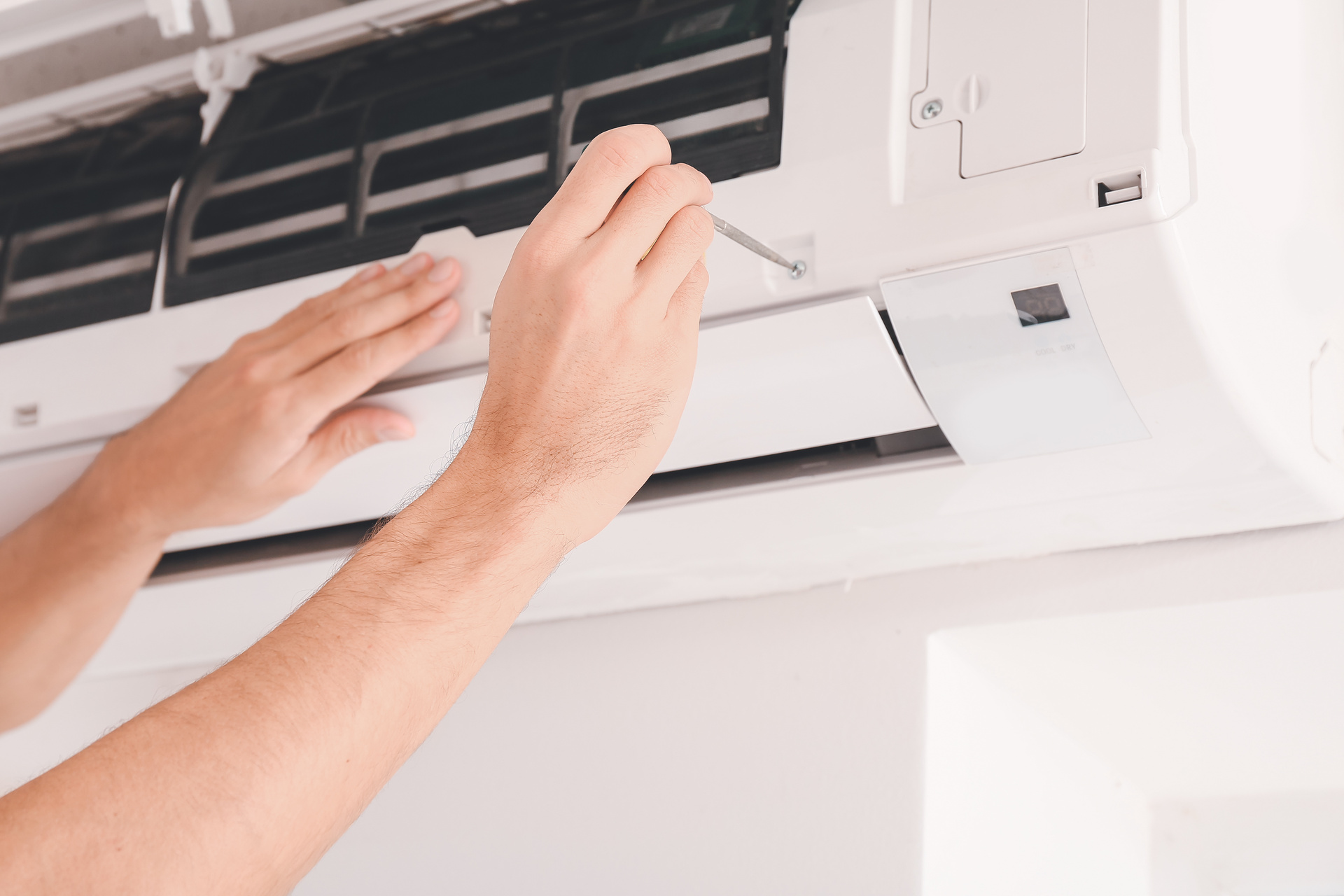
Filter condition and maintenance intervals are often connected to monitoring data. Systems operating under restricted airflow due to clogged filters may show changes in performance metrics. Regular observation helps determine when maintenance is required based on system behavior rather than fixed schedules alone.
Refrigerant levels and pressure readings also influence system performance. Deviations in these measurements can affect cooling efficiency and overall operation. Monitoring allows for detection of irregularities that may require further evaluation.
System monitoring supports predictive maintenance by identifying trends rather than reacting to failures. Instead of addressing issues after a breakdown occurs, monitoring provides information that can guide maintenance decisions in advance. This approach can reduce unexpected interruptions in system operation.
Documentation is an important component of monitoring. Recorded data creates a history of system performance, allowing for comparison over time. This historical perspective helps identify recurring issues and supports long-term planning.
Technology has expanded the capabilities of system monitoring. Digital controls, sensors, and connected systems provide real-time data that can be accessed remotely. These tools allow for more frequent observation and faster response to performance changes.
Safety considerations are also connected to monitoring. Systems operating outside of normal parameters may present risks related to overheating, electrical issues, or mechanical failure. Early detection of these conditions supports safer operation.
“Monitoring provides a way to understand how a system performs over time,” Lingo added. “It allows for recognition of changes that might otherwise go unnoticed until a larger issue develops.”
System age plays a role in how monitoring data is interpreted. Older systems may show gradual performance changes that reflect normal wear, while newer systems may indicate different patterns. Understanding these differences supports more accurate evaluation.
In both residential and commercial settings, system monitoring contributes to consistent operation by providing insight into how equipment responds to daily use and environmental factors. This information supports adjustments that maintain performance within expected ranges.
As mechanical systems continue to evolve, the role of monitoring remains tied to understanding performance over time. By combining data collection, analysis, and ongoing observation, system monitoring supports a structured approach to maintaining functionality and addressing changes as they occur.
Morgan Thomas
Rhino Digital, LLC
+1 504-875-5036
email us here
Visit us on social media:
Facebook
Legal Disclaimer:
EIN Presswire provides this news content “as is” without warranty of any kind. We do not accept any responsibility or liability
for the accuracy, content, images, videos, licenses, completeness, legality, or reliability of the information contained in this
article. If you have any complaints or copyright issues related to this article, kindly contact the author above.

Media gallery